★
カリスマパン職人★
松尾雅彦が
焼いてます!
|

|
|
|
|
★西野椰季子のブログ
|
|
|
|
|
◆
|
お客様の声最新版
|
|
◆
|
よくあるご質問
|
|
◆
|
初めてのお客様へ
|
|
◆
|
パンの出来るまで
|
|
◆
|
おいしい食べ方
◆バナナピタサンド
◆納豆ピザトースト
|
|
◆
|
特定商取引法
|
|
◆
|
スタッフ募集
|
|
◆
|
リンク集
|
|
◆
|
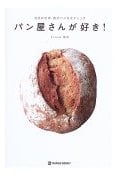
おすすめ図書
|
|
|
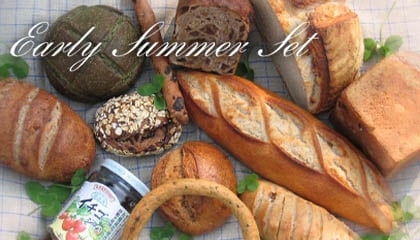
★初夏のおすすめ定番セット!
期間限定お得な価格!
|
|
|
アコルトの定番商品の中から初夏にぴったりなパンを10種類お選びしました。
ジャムもセットになってお得な価格です!当店のパンは保存方法によっては
長期間もちますので、ずっとおいしく食べ続けられます。
この機会にぜひお試しください。
6月30日受付までの期間限定です。
●ラントブロート(1/2
)●フリュヒテブロート
(1/2)
●ウォールナッツ
●フィール
●バケット
●マイスブロート
●
バジルトマト
●
フリュヒテブロート
スティック
●
よもぎぱん●
ごまクッキー
●
いちごジャム
●ご請求先が異なる場合はカゴに入れた後、手順に従っていくと、
備考らんがございますのでそちらにお書き添え下さい。
●現在、クール便対象外です。
●送料、代引き手数料は無料です。
●
パンの保存方法
はこちらをご覧下さい。
税込¥5500

|

|
ルーヴル美術館展でアコルトのパン限定販売!
|
![ルーヴル美術館展でアコルトオリジナルのオリーブのパンが発売!]()
2006年6月17日から
東京藝術大学大学美術館で
開催される
ルーヴル美術館展で、アコルトオリジナルのオリーブのパンが限定販売決定!
|
|
→詳しくはこちらから
|
|
|
あの人気のシリアルバナナケーキが復活!
|

1ピース
¥472
ホールサイズ
¥3780
※この商品はクール便でのお届けになります
※ホールサイズのみ箱入りですので贈り物としてもご利用頂けます。
詳しくお知りになりたい方は宅配ページでどうぞ
|
|
|
アコルトのパンがプラド美術館展で限定販売!
|

2006年3月25日から
東京都美術館で
開催中のプラド美術館展で、
名画のパンを再現したアコルトのパンが限定販売されます。
※7月2日
まで会期延長
になりました!
|
|
→詳しくはこちらから
|

|
★1位
レザン・クーヘン
¥1575
毎日食べても飽きないクグロフ型ケーキ。
|
|

|
★2位
ラントブロート
¥1050
売れてる秘密は独自の配合にあります。
全粒粉のコクと、1CWのキレの良さ。
|
|

|
★3位
フリュヒテブロート
¥1260
ラントブロート生地にくるみがぎっしり。
|
|

|
★4位
フィール
¥525
ラントブロート生地にいちじく、カランツ、アーモンド入り、表面にオートミールをまぶしてあります。
|
|

|
★5位
グラハム50
¥630
全粒粉(群馬県産農林61号)50%、
1CW50%でトッピングは白ゴマです。
|
|
|
★お客様の声 公開中!5月29日更新UP!
最新のものはこちら
|
|
● この子の好物はフリュヒテのスティック。私はあずきのパイです。何故あんなに生地がサクサクであんがおいしいんですか〜!?皆様が心をこめて一つ一つパンを焼き、包装し、箱づめし、送ってくださっていることがとても感じられます。
|
詳しく見る
|
|
●私は、アコルトさんに出会って、どんどん幸せに近づいていっています。「アコルト」というブランドに完全になってるんだな。すごいな。って思いました。
|
詳しく見る
|
|
● アコルトのパン、本っ当〜!に大好きです。好きで好きで手がつけられないくらい大好きです。アコルトのパンに出会ってしまったら、もう他のパンなど食べられませんね。もう、またたびを覚えたネコです。アコルトのパンは、おいしいのはもちろん!なのですが、食べると体調が良くなるから不思議です。・・・
|
詳しく見る
|
|
★お客様の声!まだまだ大募集!お待ちしてます!
|
|
あなた様の喜びの声を聞くことほど、私達の仕事に情熱とやりがいを与えてくれるものはありません。どんな事でも結構です。是非あなた様の声をお聞かせ下さい。mail、Fax、お手紙などでお寄せくださいお待ちしております。
バカラの遊び方をジャパカジで公開
|
|
★アコルトは青山にお店がございます
MAPはこちらから
|

|
お近くへおいでの際はぜひお立ち寄り下さい。焼きたてをどうぞ。
|
|
★便利なセット!おすすめです!定期便もございます!
|

|
●値段のコースは3150円と5250円があります。
詳
しくはこちらから
|

●
12
?
クグロフ型
税込み¥1575
※こちらの商品は箱入りですので贈り物としてもご利用頂けます。
詳しくお知りになりたい方は宅配ページでどうぞ
|

サンド型
¥525
ホールサイズ
¥4200
※この商品はクール便でのお届けになります
※ホールサイズのみ箱入りですので贈り物としてもご利用頂けます。
詳しくお知りになりたい方は宅配ページでどうぞ
|

●メールまたはFAXでも受け付けてます。
●初めてお買い物をされるお客様はこちらをお読み下さい。
●何回かお買い物された事のあるお客様はすぐ宅配ページへどうぞ
|
|
★パンの出来るまで 動画公開中!
こちらからどうぞ
|

|
毎日アコルトでのパンの出来るまでを簡単に写真で解説してます!
|

アコルトのパンを使って出来る、すっごく簡単なレシピです!
朝食やおやつにぜひどうぞ!
●バナナピタサンドはこちらから!
●新レシピ、納豆ピザトーストはこちらから!
|
|
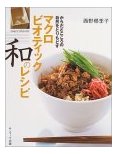
★西野椰季子のレシピ 集好評発売中!
|
「マクロビオティック 和のレシピ」

サンマーク出版1365円(税込み)
これは使える!と大好評です!
今日から使える簡単野菜レシピが満載!
●アコルトで購入すると西野のサイン入り
こちらからどうぞ→
●
アマゾンでも購入できます!
本の画像下タイトルをクリックして下さい→
|
マクロビオティック
和のレシ
|
|
|
TOPICS
|
![ルーヴル美術館展の詳細はこちら]() ルーヴル美術館展にて、
ルーヴル美術館展にて、
アコルトオリジナルの
オリーブのパンが販売!
●オリジナルオリーブパン
の詳細はこちらから
●ルーヴル美術館展の
詳細はこちらから
|
 プラド美術館展にて、
名画のパンを再現したアコルトオリジナルのパンが販売中!
※
7月2日まで会期延長に
なりました!
●ここでしか買えない限定
のパンの詳細はこちらから
●プラド美術館展の詳細は
こちらから
|
|
★
定休日
2006・
6月
|
毎週水曜日と第3火曜日
が定休日です
|
|
日
|
月
|
火
|
水
|
木
|
金
|
土
|
|
|
|
|
|
1
|
2
|
3
|
|
4
|
5
|
6
|
7
|
8
|
9
|
10
|
|
11
|
12
|
13
|
14
|
15
|
16
|
17
|
|
18
|
19
|
20
|
21
|
22
|
23
|
24
|
|
25
|
26
|
27
|
28
|
29
|
30
|
|
★お店の
営業時間
★
11:00〜18:00
|
|
営業時間は11:00〜18:00
となっておりますが、パンが完売した場合、閉店時刻が早まる事がございます。当店のパンは全てが手作りのため数が限られております。ご来店のお客様にも、是非ご予約をおすすめいたします。
|

●「ar(アール)」8月号
「食セラピーな美レストラン」
(仮題)の特集に載ります。
主婦と生活社発行
発売予定 2006年7月12日
|
●まっぷるマガジン
「東京ベストスポット
2006-07」
青山・表参道のスイーツの特集でアコルトのあずきのパイが載ります。
昭文社発行
発売予定 2006年6月下旬
|
●「東京ベーカリーガイド2006」
に載ります。
?徳間書店
近日発売
|
●
エル・ジャポン6月号
P35「ピクニックへ行こう」
特集のページにアコルトの
カッコイイパンが載ってます。
見て下さいね!
アシェット婦人画報社
580円
発売中!

|
●「マリ・クレール」
5月号「体の中からきれいになるレストランガイド」
に載ります。
アシェット婦人画報社
発売日 2006年3月23日
|
●
「ChouChou」
(シュシュ)6月号
「春の新作スイーツ&ベーカリー」(巻頭特集)
に載ります。 角川書店
発行中
|
●
「In Red」3月号
〜大人の表参道おしゃれMAP〜特集号
に載ります。
(株)宝島社インレッド
発行日 2006年2月7日
|
●「CONSCIOUS」
コンシャス創刊号
P45に載ってます。
株式会社コンシャスプレス
発売中!
|
●フリーマガジン
「side-b」(サイドビー)
のパン特集に載ります。
株式会社タイトー
発行日 2006年2月10日
|
●Grazia別冊
2006年4月号
「大人の表参道ブック」
に載ります。 講談社
発売日 2006年3月1日
|
●自家製天然酵母の
パンづくり うわっ
ふくらんだ!リンゴ、ブドウ、ジャガイSモ、玄米…で」
自然食通信社
増補改訂版
発売中!
|
●FRaU(フラウ)1月20日号
ロハス特集に載ってます
講談社
発売日 1月5日
|
●MYLOHAS
(マイローハス)Vol8
西野 椰季子のレシピが
載ってます
(?)インフォバーン
580円
発売日日12月17日
|
●Cafe Sweets Vol.57
「手作りパンと
サンドイッチ」特集
柴田書店MOOK 1200円
|
●「日刊ゲンダイ」の生活情報面に掲載されました
掲載日11月11日
画像をクリックすると拡大画像が見られます
|
|
●
「朝日新聞朝刊」の別刷り「be ExteraLIFESTYLE」
に掲載されました。環境と健康を考えたロハスとマクロビオティックの事が良くわかりますよ!
掲載日11月3日
画像をクリックすると
拡大画像が見られます
|
●
緊急おわびと訂正!
「LUCi」 12月号
発売日10月28日
「LUCi」 12月号において編集ミスがござい
ました。大変失礼いたしました。訂正内容は付録の「おいしいお取り寄せBOOK」 の中の P10の葉山ボンジュールさんとアコルトのパンの写真が入れ違っておりました。(出版社さん、ちゃんと校正して下さいね)
|
|